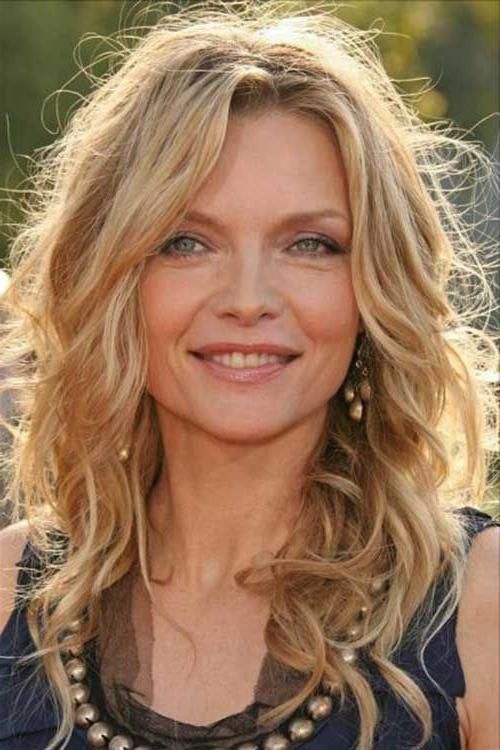
A hairstyle means styling of hair, usually for the human scalp. Sometimes, this will also mean an editing of facial or body hair. The fashioning of hair can be viewed an aspect of non-public grooming, fashion, and cosmetics, although practical, cultural, and popular considerations also influence some hairstyles. The oldest known depiction of hair braiding goes back about 30,000 years. In ancient civilizations, women's hair was often elaborately and thoroughly dressed in special ways. In Imperial Rome, women wore their hair in complicated styles. From the time with the Roman Empire[citation needed] before Middle Ages, nearly all women grew their hair provided that it would naturally grow. During the Roman Empire plus in the 16th century inside the western world, women started to wear their hair in extremely ornate styles. In the later half on the 15th century and also on into the 16th century a really high hairline around the forehead was considered attractive. During the 15th and 16th centuries, European men wore their hair cropped not than shoulder-length. In the early 17th century male hairstyles grew longer, with waves or curls being considered desirable.The male wig was pioneered by King Louis XIII of France (1601–1643) in 1624. Perukes or periwigs males were introduced to the English-speaking world along with other French styles in 1660. Late 17th-century wigs were extended and wavy, but became shorter within the mid-1700s, where time these were normally white. Short hair for fashionable men became a product with the Neoclassical movement. In the early nineteenth century the male beard, plus moustaches and sideburns, designed a strong reappearance. From the 16th to the nineteenth century, European women's hair became more visible while their hair coverings grew smaller. In the middle in the 18th century the pouf style developed. During the First World War, women world wide started to shift to shorter hairstyles that had been easier to manage. In the early 1950s women's hair was generally curled and worn in a number of styles and lengths. In the 1960s, many women started to wear their hair in a nutshell modern cuts for example the pixie cut, while inside 1970s, hair fairly longer and looser. In both the 1960s and 1970s lots of men and women wore their hair lengthy and straight. In the 1980s, women pulled back their hair with scrunchies. During the 1980s, punk hairstyles were adopted by many people.
Related Images with 15 Ideas of Long Hairstyles For Round Faces Over 50
Short Hairstyles For Women Over 50 Round Face Trend Hairstyle and Haircut Ideas

Haircuts For Round Faces Over 50 40 best hairstyles for women over 50 with round faces images

Long Hairstyles For Round Faces Over 50 HairStyles
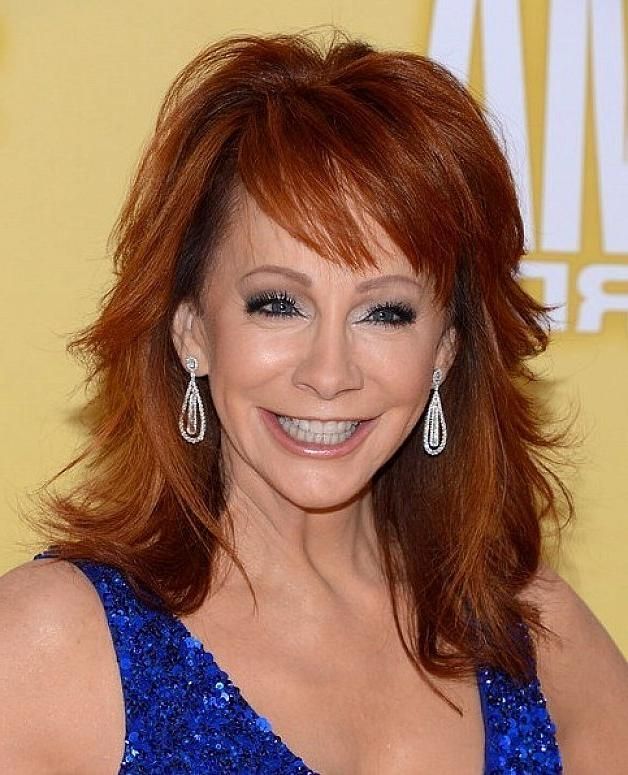
Short hair styles for women over 50 round face

Komentar
Posting Komentar